My Research Work
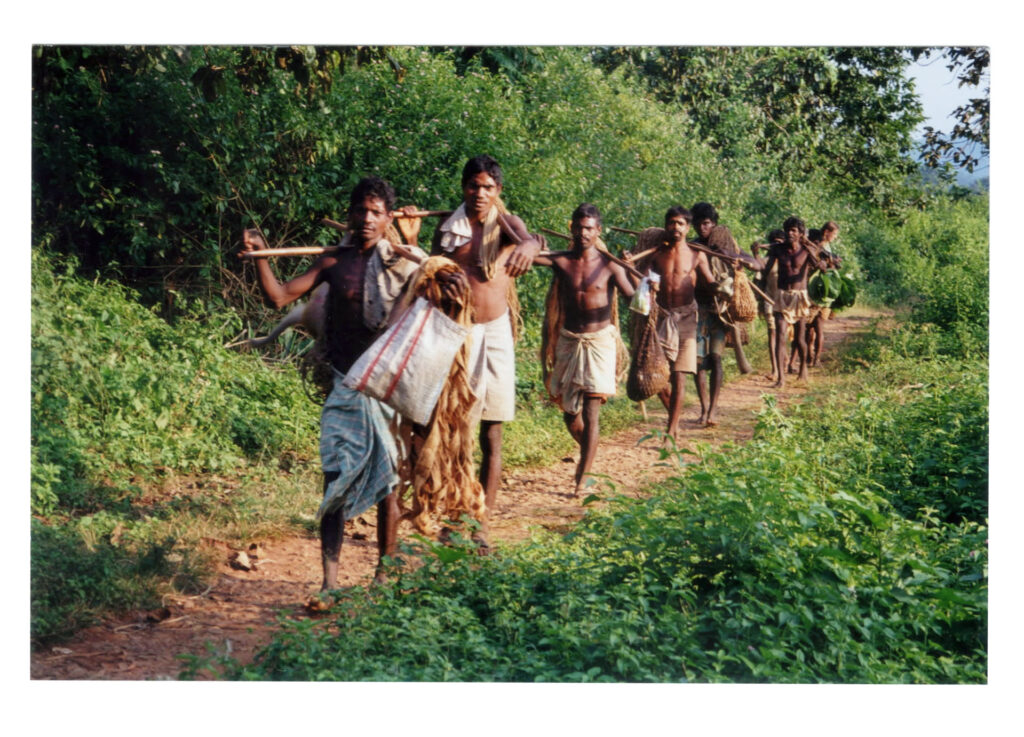
*Mystery solved: how ancient DNA reframed the case of the Austroasiatic, Mundari-speaking population of India
*Draft: MSc Archaeology Thesis (2025)
This essay revolves around the Mundari-speaking population of the South Asian sub-continent and the long-standing debate about their migratory paths. It shows how the debate evolved from earlier linguistics-based theories to parental markers research and how it was ultimately resolved by the introduction of ancient DNA studies.
The present paper examines a long-standing anthropological and linguistic debate concerning the origins and migratory histories of the Mundari-speaking populations of eastern and central India. Drawing on recent advances in genetic research, it shows how ancient DNA studies have not only challenged earlier linguistics-based and uniparental-marker hypotheses, but have fundamentally reframed the terms of the debate itself.
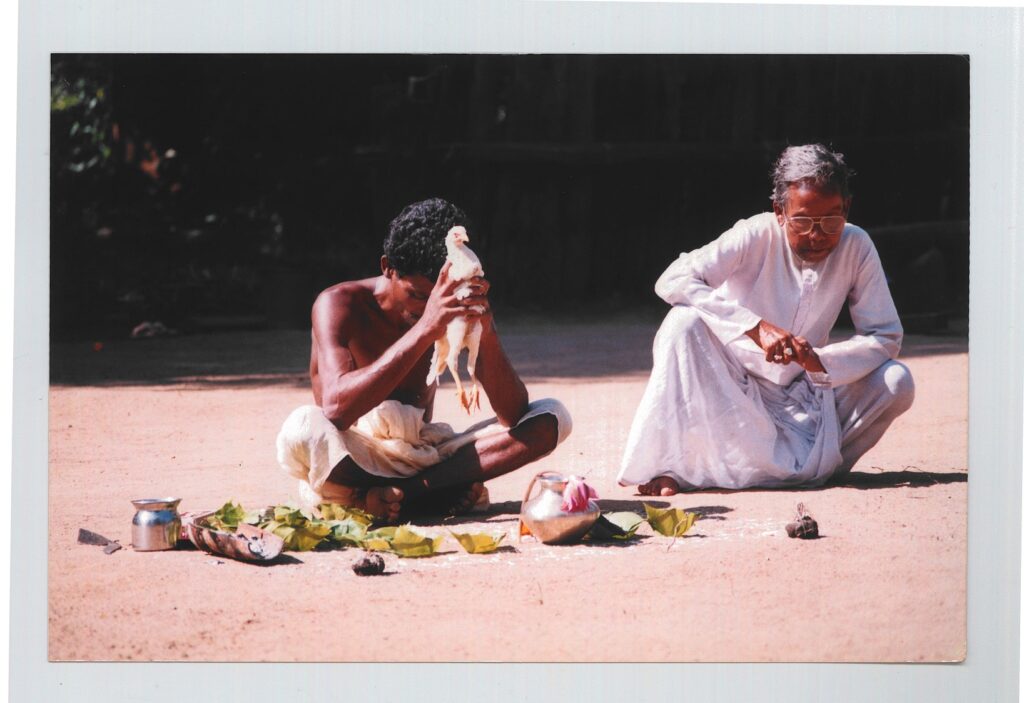
People between Ancestors and the State
People between Ancestors and the State: the Case of the Ho and Munda People of Jharkhand, India’ in Anthropology in Action – Journal of Applied Anthropology in Policy and Practice, Vol.9, N.1, pp. 50-56, 2002
The present paper gives ethnographic evidence of a specular case in which modernity, rather than being resisted, is used as a tool to forge cultural distinctiveness. For some forest people of Jharkhand, criteria for
social status are linked to concepts of ‘civilization’ versus ‘wilderness’.
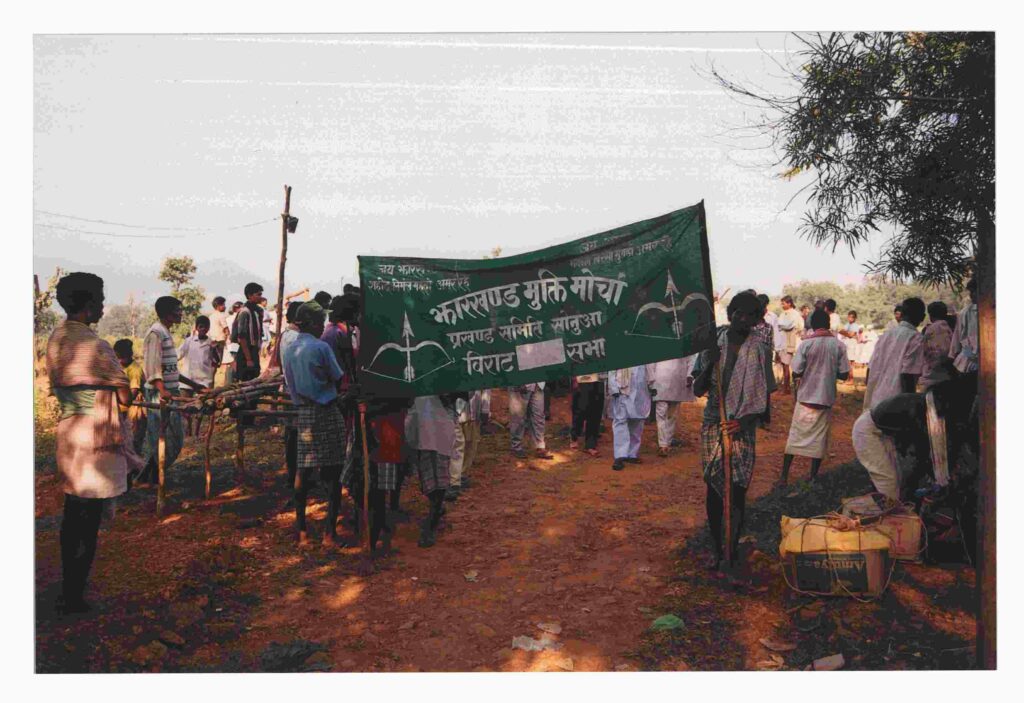
Forest People, Modern people
‘Forest People, Modern people: Modernity and Social Change among the Ho and Munda people of Jharkhand’, in Sen, P. Eds, Changing Tribal Life, A Socio-Philosophical Perspective, New Delhi: Concept Publishing Company, pp. 81-94, 2003
This paper is based on some of the findings detailed in the Phd Thesis below. It highlights some key social, economic and political implications of conversion to a Buddhist/Hindu sect by some Hos and Mundas of the village under study in Jharkhand, with an emphasis on differences in perception of the sacred landscape of forest and graveyards, and in the performance of death rituals.
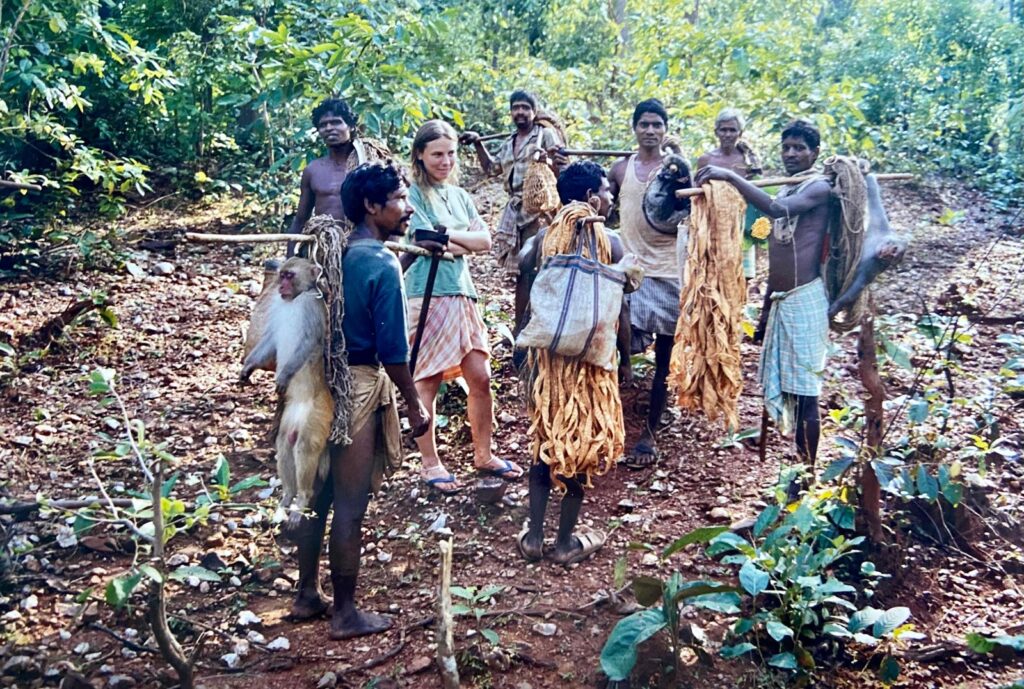
Rebels and devotees of Jharkhand: Social, religious and political transformations among the Adivasis of northern India
PhD Thesis (2003). London School of Economics and Political Science (LSE)
The study investigates two phenomena among the Ho and Munda tribal groups in Jharkhand: the emergence of a new ‘caste’ through a Hindu reformist movement and the revival of tribal essence and ancestral practices as a mode of resistance to it – especially by women. It explores ‘de-Sanskritisation,’ highlighting how ‘rebels’ legitimize social status through territorial precedence and local spirit mediation rather than through the adoption of Hindu codes of behaviour.
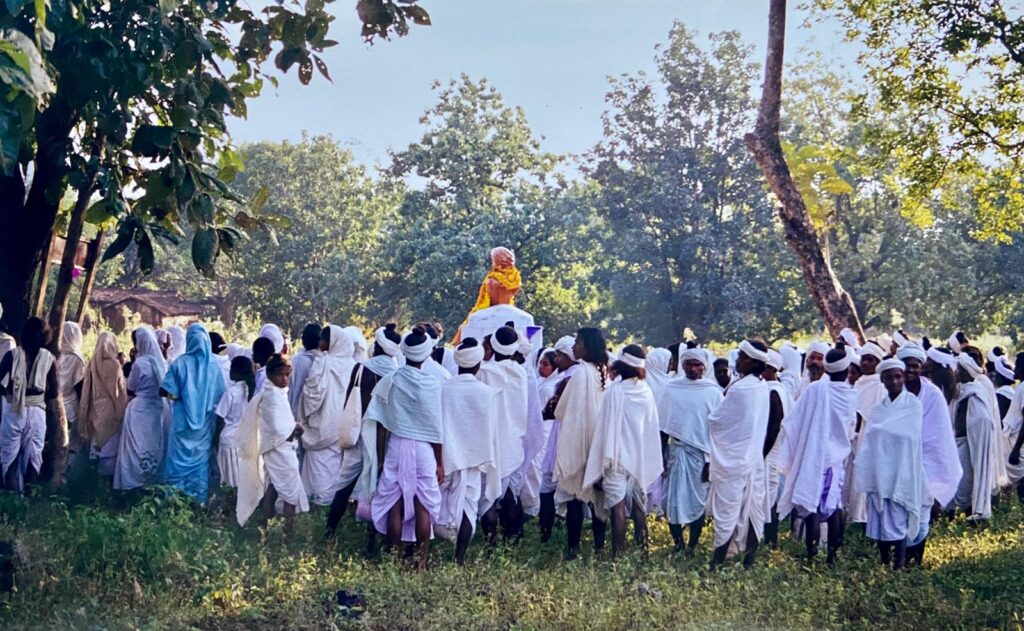
A purified past in a post-apocalyptical Here and Now: Performing myth in history
A comparative study of tribals’ movements in Chota Nagpur and Santhal Parganas, India.
MSc Thesis (1996). London School of Economics and Political Science (LSE)
This thesis, based on secondary sources, explores why the “Birsa Ulgulan” of 1899-1900 became a millennial phenomenon unlike other 19th-century insurrections among the Hos, Mundas, and Santhals. It examines the roles of Lutheran and Christian missions, the British government, and the revolutionary, mythological aspects of the Ulgulan.
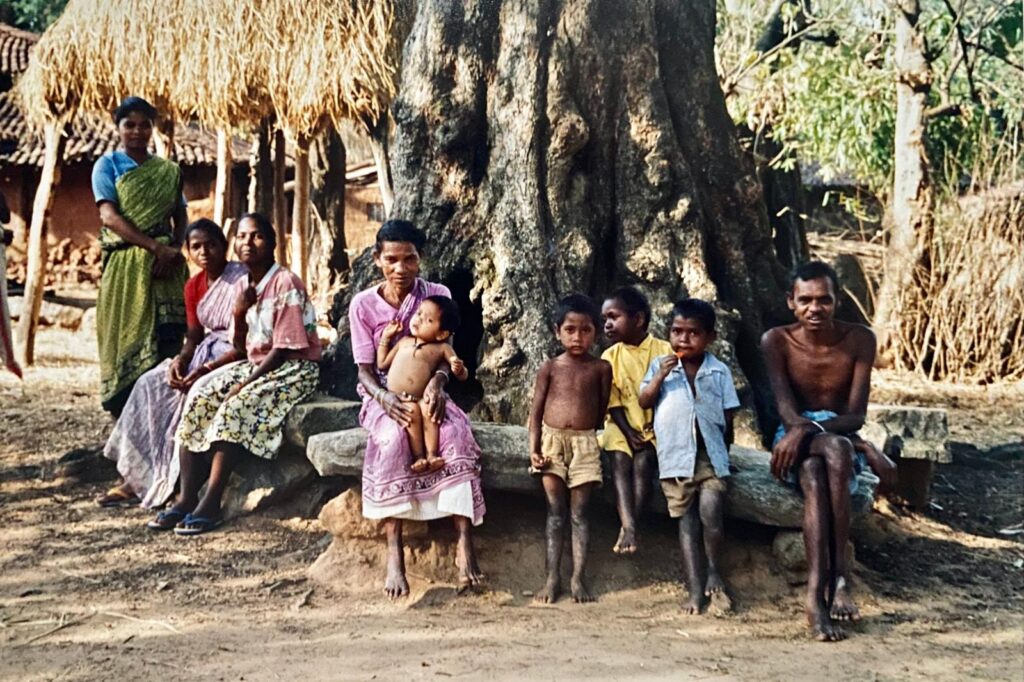
The Munda-Horoko: processes of acculturation and involution of a tribal group in the Chota Nagpur area, India.
BA Thesis (1995). Università di Trieste (Gorizia)
This research is founded on brief fieldwork, extensive archival research, and rare, unpublished primary sources gathered through meetings and correspondence with key informants. The investigation is historical, anthropological, and institutional in nature. It includes an in-depth analysis of the ancestral religious and cultural systems and perceived “traditional” socio-political institutions of the Mundas of Chota Nagpur; and key social, religious, cultural, and political changes resulting from interactions with Christian missionaries, Hindu rajahs, and other cultures, over the centuries. This thesis was awarded numerous prizes.