Barbara Verardo
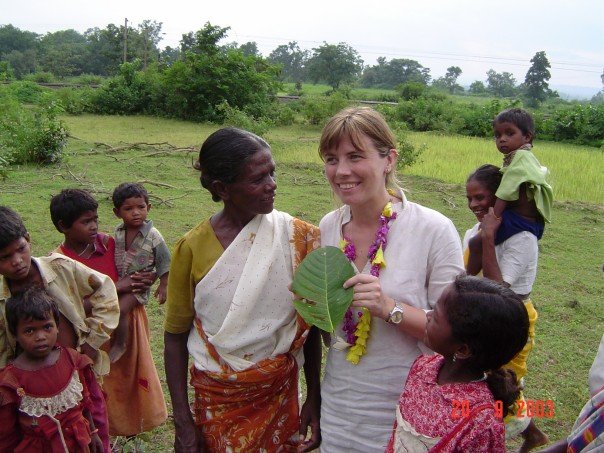
My journey began in 1993, when I spent two months in Khunti and Ranchi, Jharkhand, to explore processes of acculturation of the Mundas, the subject of my BA thesis. That first encounter with the Adivasis inspired me to shift my career path from diplomacy to anthropology!
Those two months eventually stretched into an 18-month fieldwork that I conducted between August 1998 and December 1999, living in two remote and forested Ho and Munda villages of Sonua block, West Singhbhum district (Porahat area) to pursue my doctorate in Social Anthropology at the London School of Economics and Political Science.
Ethnographic data from the field were collected using participant observation methods, open-ended conversations, semi-structured interviews and survey questionnaires.
These data provide a glimpse into the rich cultural, social, economic and political life in this unique part of the world.
In addition, I spent 6 months digging out land records, field reports and “Village Notes” by British colonial officers in the Chaibasa District Record Room, as well as other records from New Delhi, the British Library and the India Record Room in London.
After completing my doctorate, I sought to apply my anthropological skills in various fields. My career took me into the realms of international development, social entrepreneurship, and fintech, in South Asia and elsewhere: from designing and managing poverty reduction programs at the World Bank to founding a digital micro-lending platform for women entrepreneurs in India to developing an ethnographic-driven credit rating tool for the unbanked, my focus has always been on vulnerable groups. In this sense, I am convinced that my fieldwork among the Hos and Mundas has been truly transformational for me.
In recent years, I have ventured into archaeology, a discipline that has reignited my passion for uncovering and preserving human stories. It was while donning this new hat that I stumbled upon my old field notes from Jharkhand. I realised that these valuable pieces of research were gathering dust, hidden away from the world. It dawned on me that their true potential could only be realized by making them accessible to others.
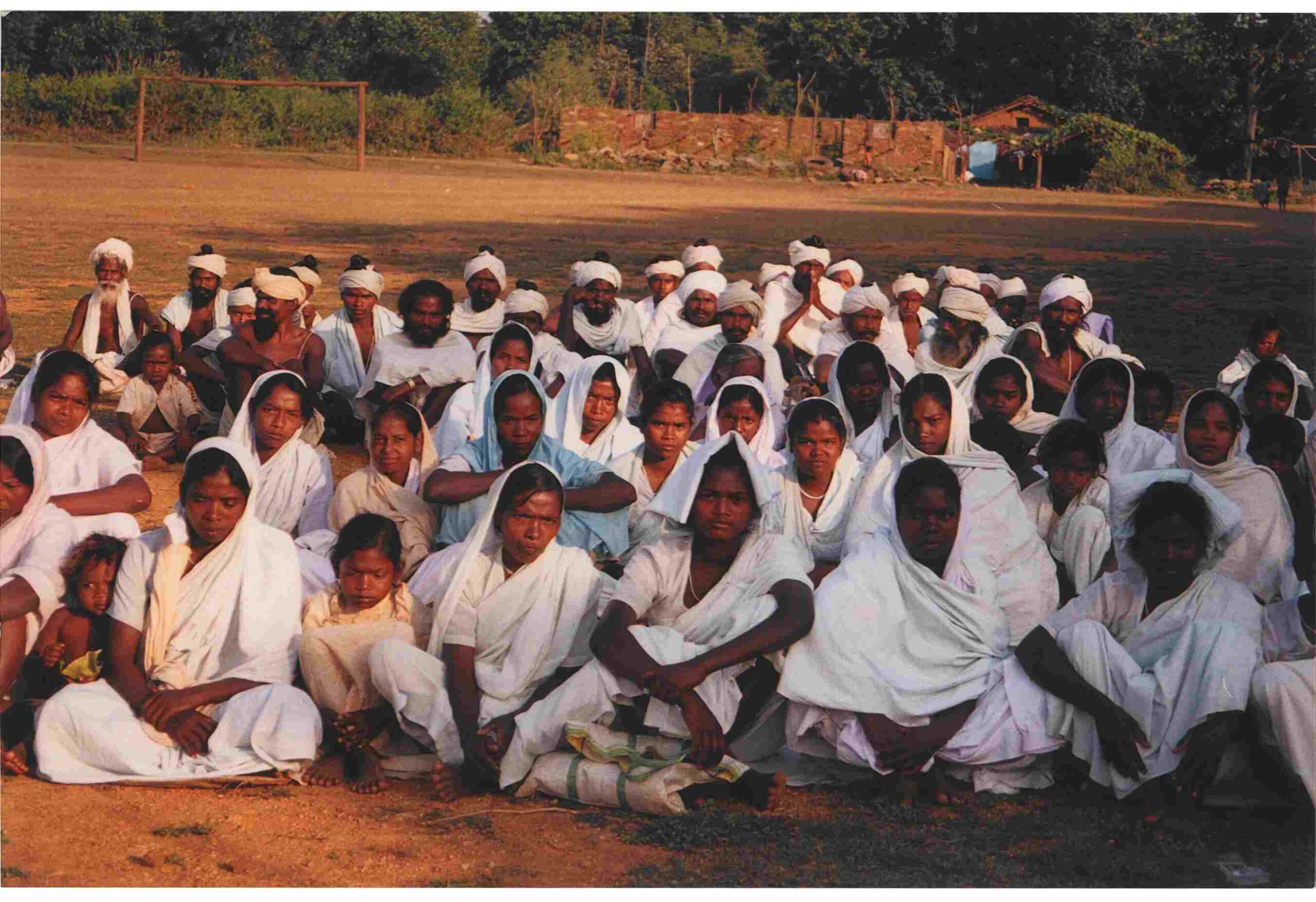
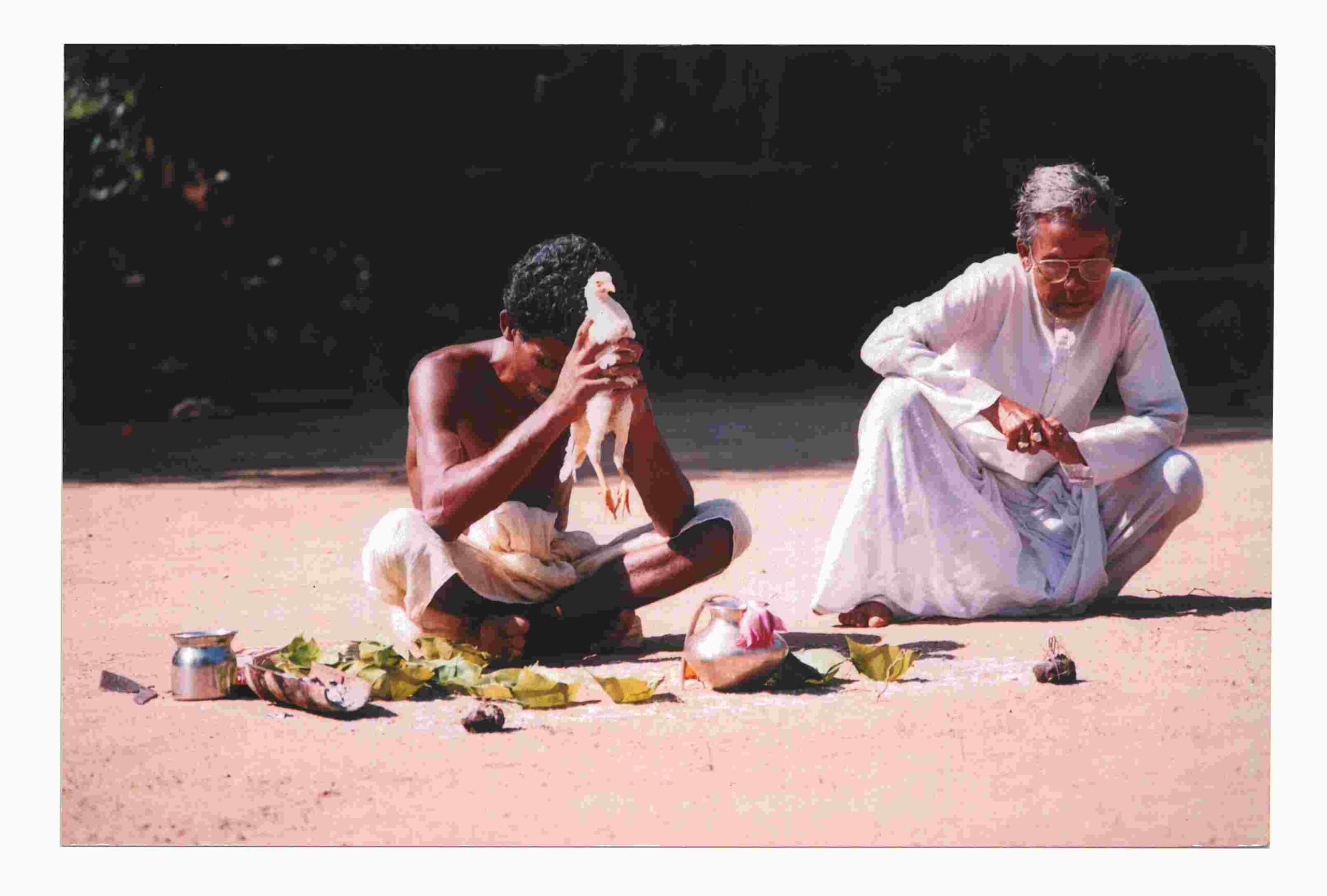
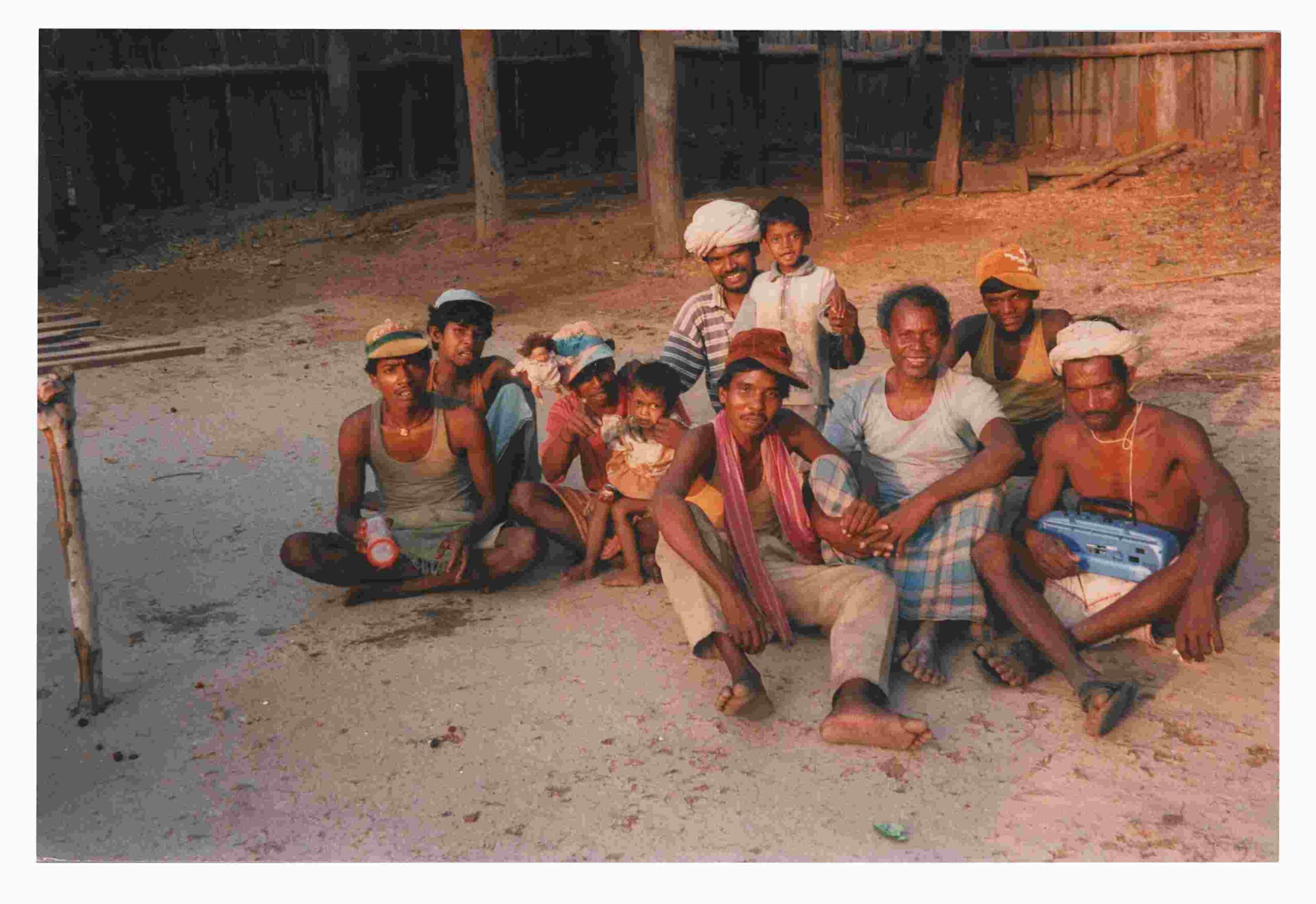
Please click on the links below to access all the ethnographic data collected during years 1998-1999 in Sonua block, West Singhbhum district, Jharkhand: my field notebooks, surveys, interviews, pictures and videos, as well as the entire body of research that stemmed from those data. Enjoy the reading!
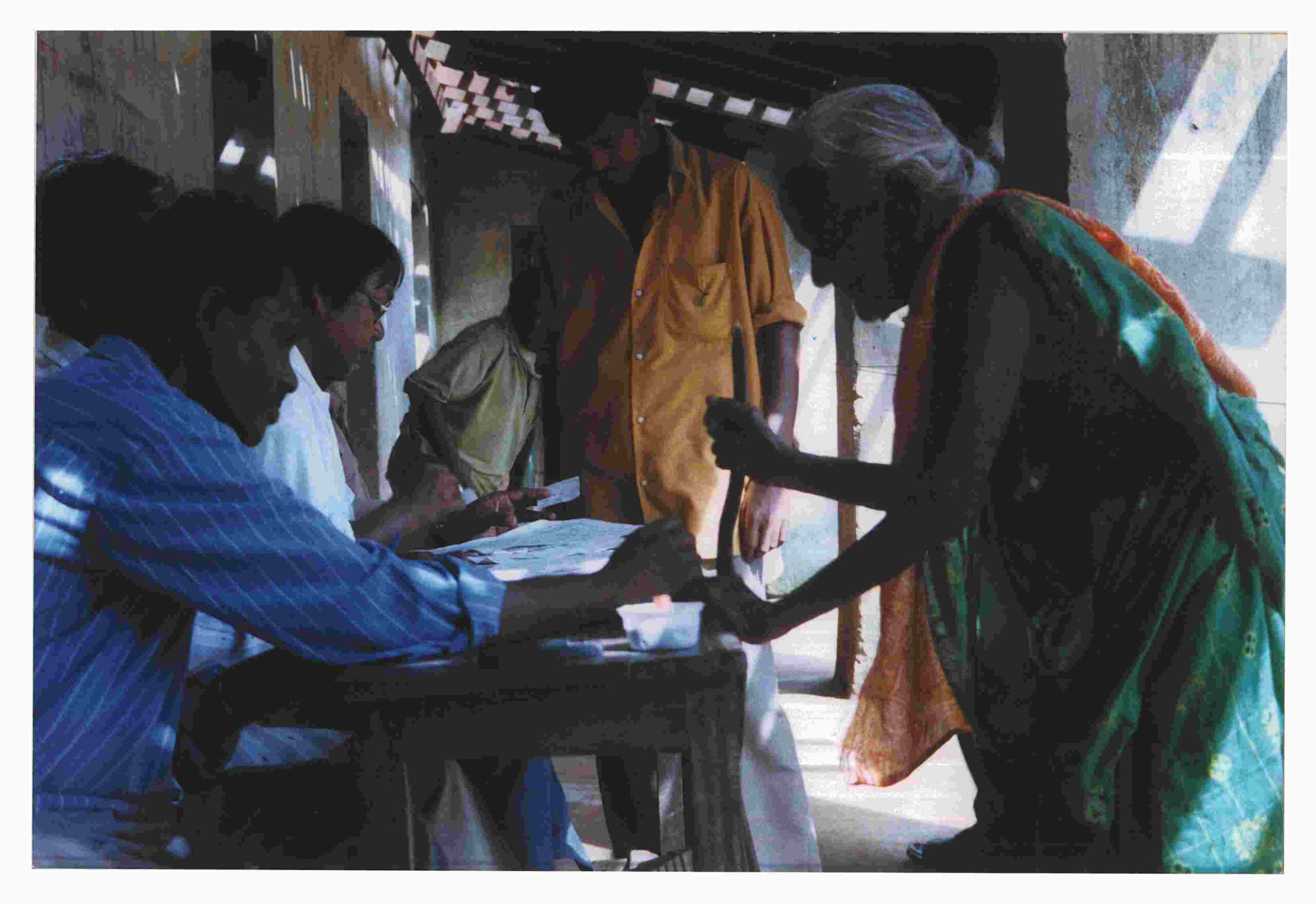
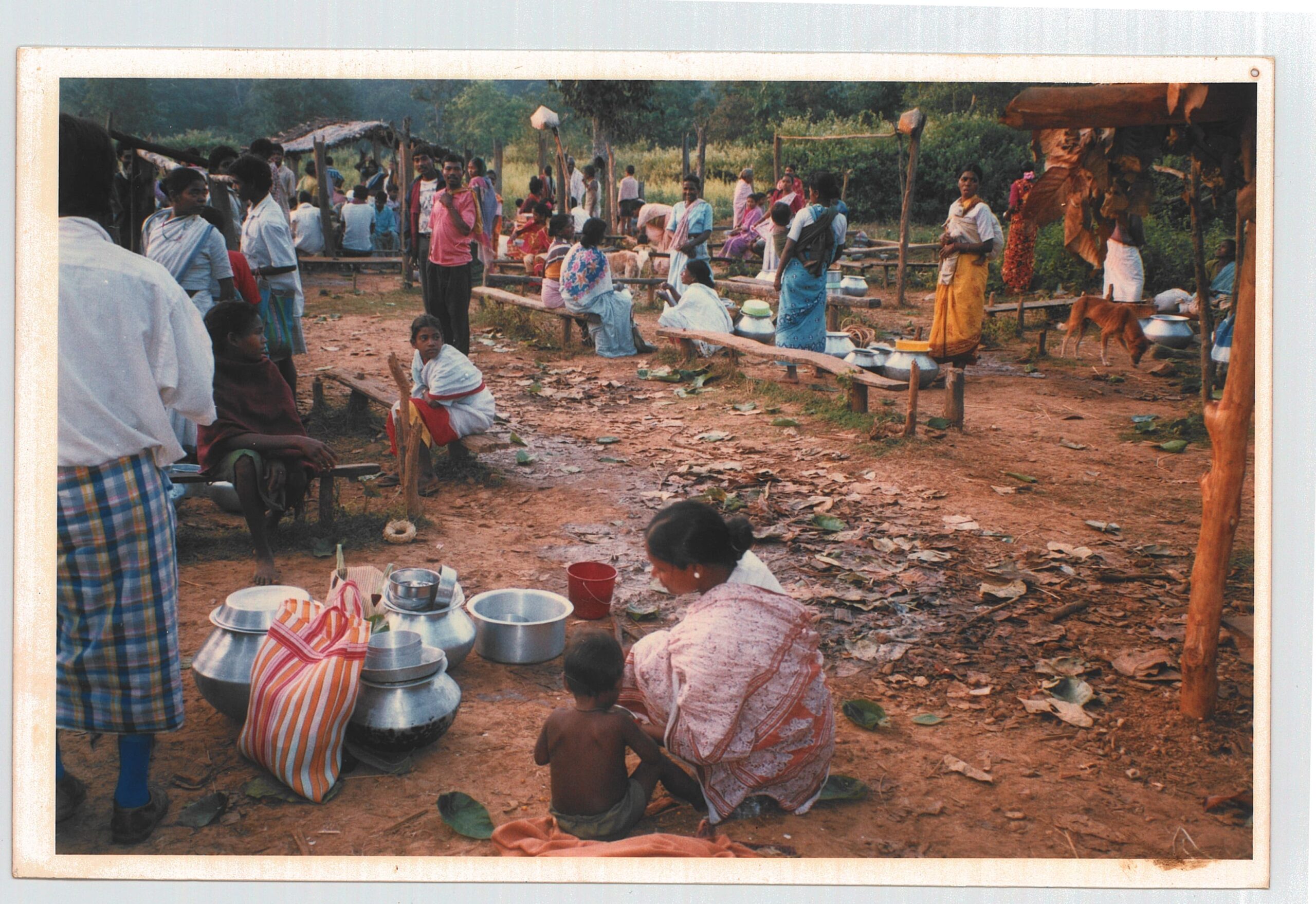
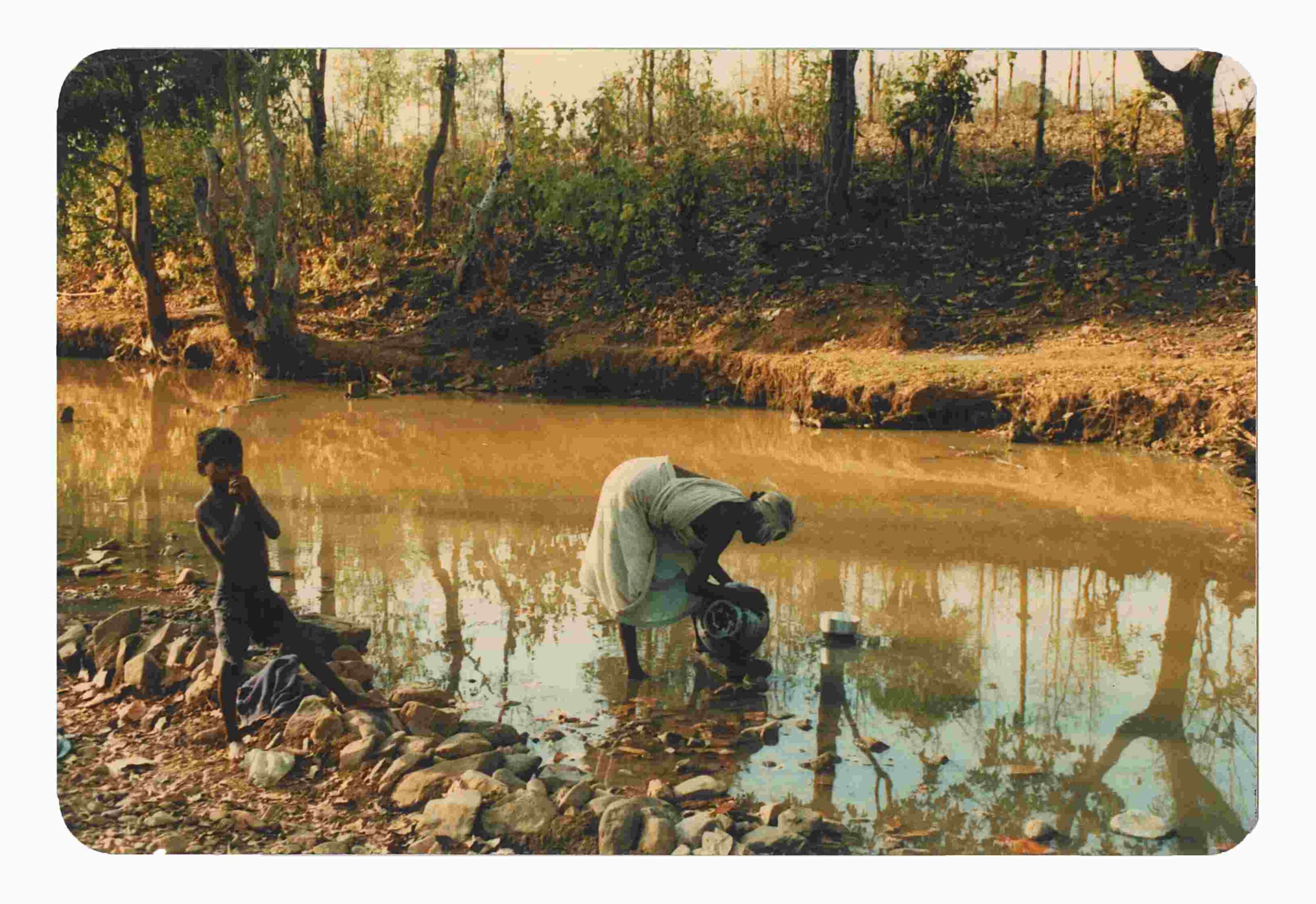
Feel free to reach me out!
Few things to keep in mind:
The photos and documents on this website are freely available in low-definition versions.
If you require an HD version, please contact me with the file number using the message section.
An acknowledgement of Dr Barbara Verardo and AdivasiFieldNotes is required for any non-commercial use of photos, including exhibition, academic research and education purposes.