Eva Reichel
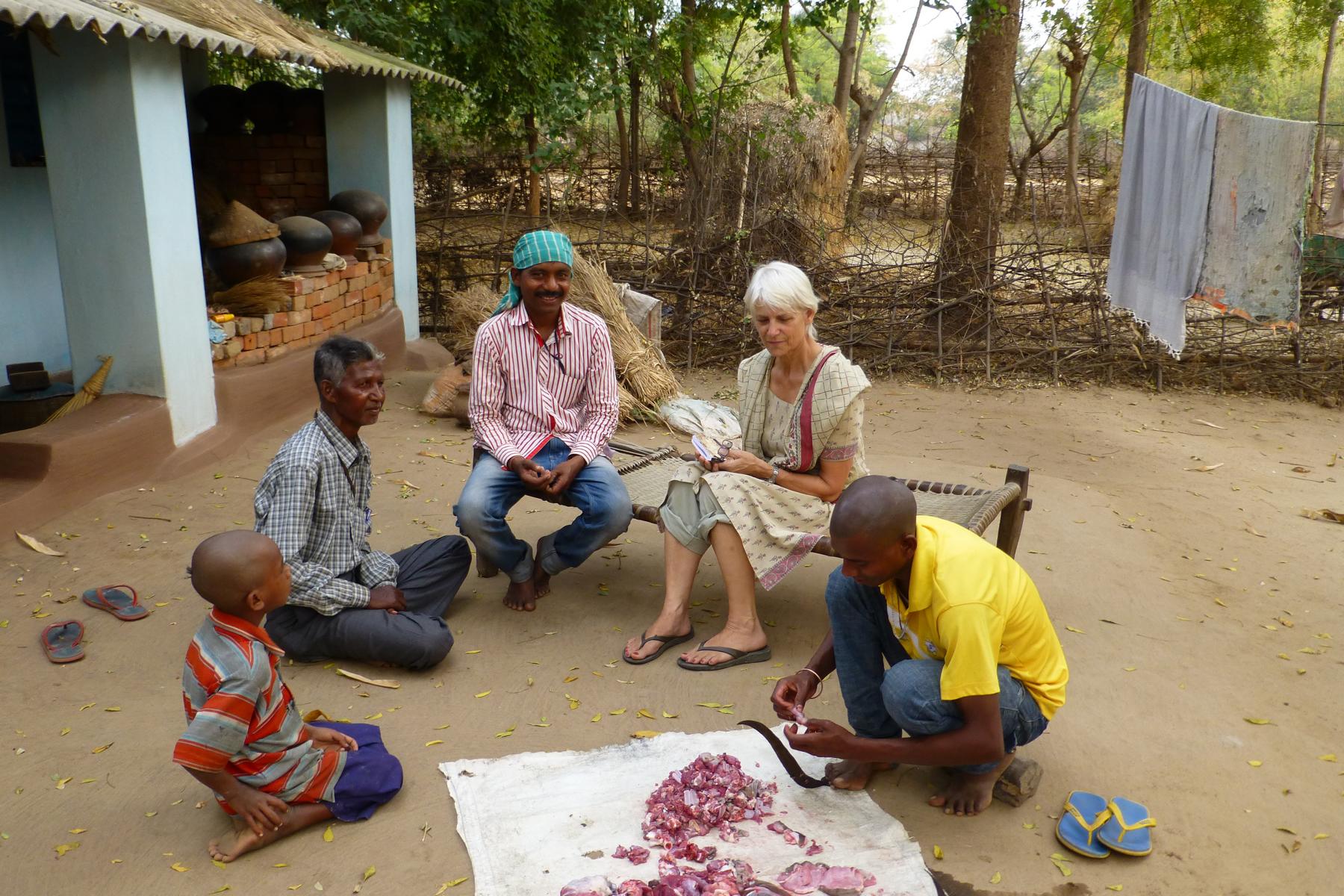
After finishing my professional career, I spent nearly a year travelling through China, Southeast Asia, and India, along with my husband. I thought of it as a pause before entering a new and unknown phase of my life. The culture shock came, rather unexpectedly to me, when I returned home. The familiar routines of Western individualised life suddenly felt foreign, almost empty… something was missing!
One instance from that year stands out vividly in my memories. In Sulawesi, Indonesia, I was invited to a grand death ritual among the Toraja people near Rantepao. It was an extraordinary day—hundreds of people gathered in the rice fields, dressed in black and red, singing, dancing, and sacrificing more than 50 buffaloes in an intricate ceremony that seemed both ancient and modern. Distant relatives came all the way from the United States and Canada to join the celebration, yet everything followed an age-old rhythm. I was fascinated and bewildered at the same time. I couldn’t grasp the meaning behind what I was
witnessing, though it was clear that the participants shared a deep understanding of it. It was my first real encounter with how differently societies can view life and death, and it left a lasting mark on me.
I realised I wanted to make sense of what I had seen. So, at the age of almost sixty, I took a brave decision and enrolled as a student of social and cultural anthropology at the Free University of Berlin in my first term. I wanted to learn how to look at the world with new eyes. Anthropology offered exactly that—a way to explore distinct culture-specific human perspectives and worldviews. Around that time, I read Peter Berger’s work on the Toraja, which felt like a small confirmation that I was on the right path, that I could connect anthropological theory with my own experiences.
At university, I found a stimulating environment full of young researchers preparing for or returning from fieldwork in India, quite a few of them in various regions of Odisha/India. My decision to do fieldwork began to grow here. I was particularly drawn to the anthropology of death, reading essays by scholars like Hertz, Bloch, Parry, Mauss, and Vitebsky. Their writings revealed other ways of understanding death—not as an ending, but as a continuation of social life, connecting the living and the dead.
Eventually, I knew it was time to do my own fieldwork. When I shared this with my professor, Georg Pfeffer, he suggested I study the Ho people of India. I had never heard of them before, but I was intrigued. He warned me about the malaria-infested terrain, then gave me the contact of a Jesuit librarian in Jharkhand who might help. I began reading whatever I could find about the Ho.
By 2005, I had decided to go. What began as curiosity had turned into a deep personal commitment to understanding another way of life—and, through it, to understanding myself. Anthropology taught me that learning about others is also a way of learning about the “eye that sees.” My fieldwork among the Ho became more than research; it was a journey of transformation, humility, and human connection. <read more>
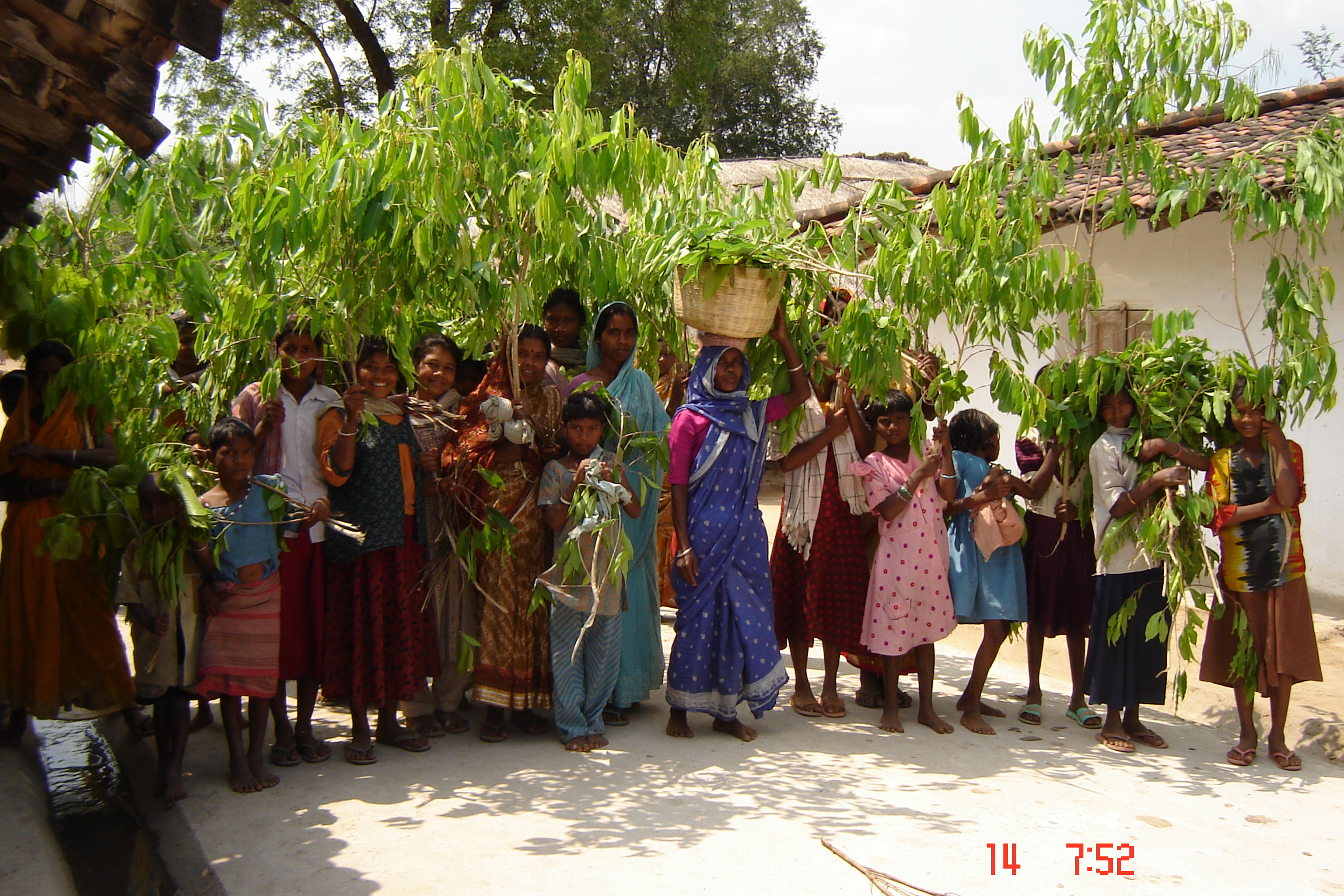
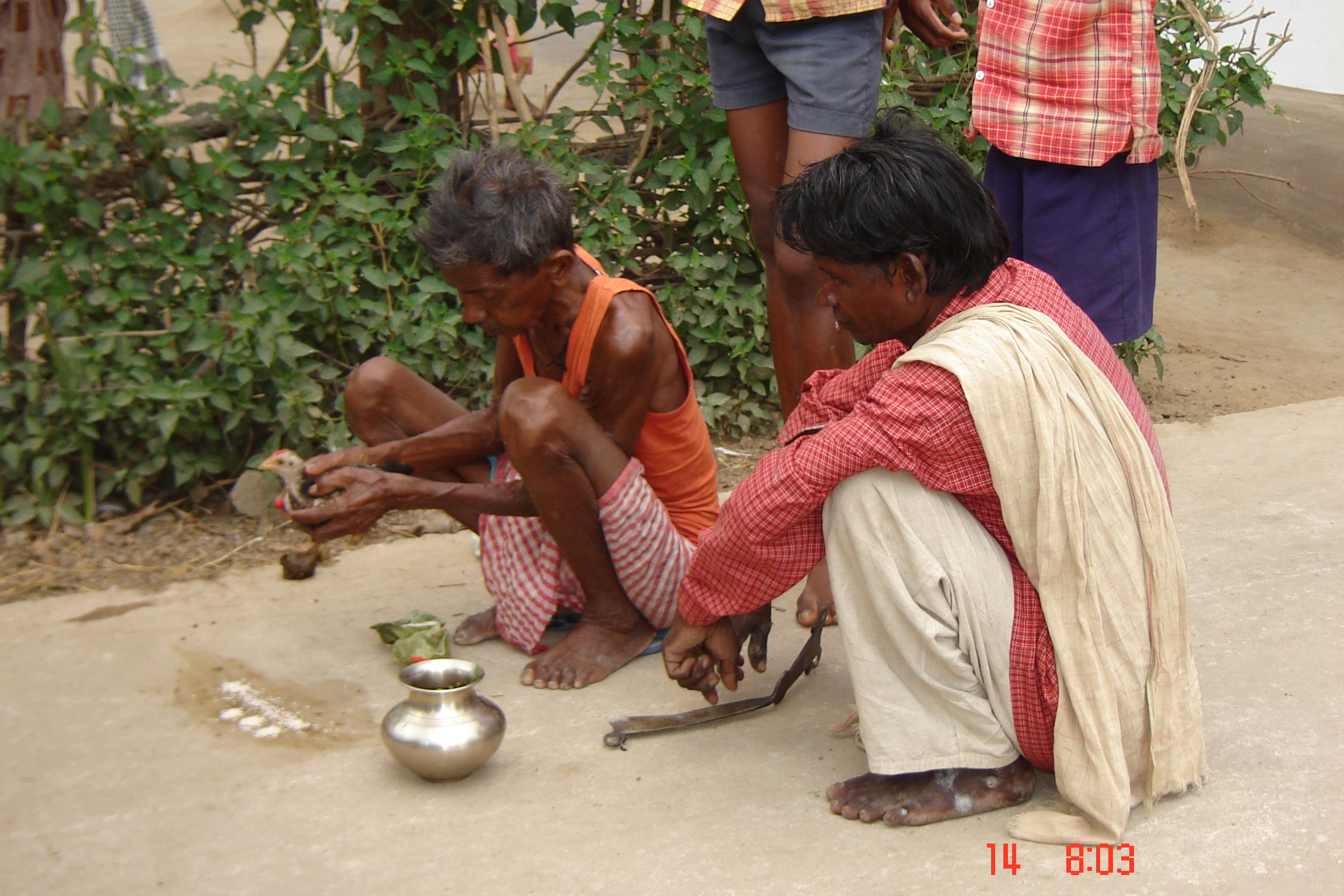
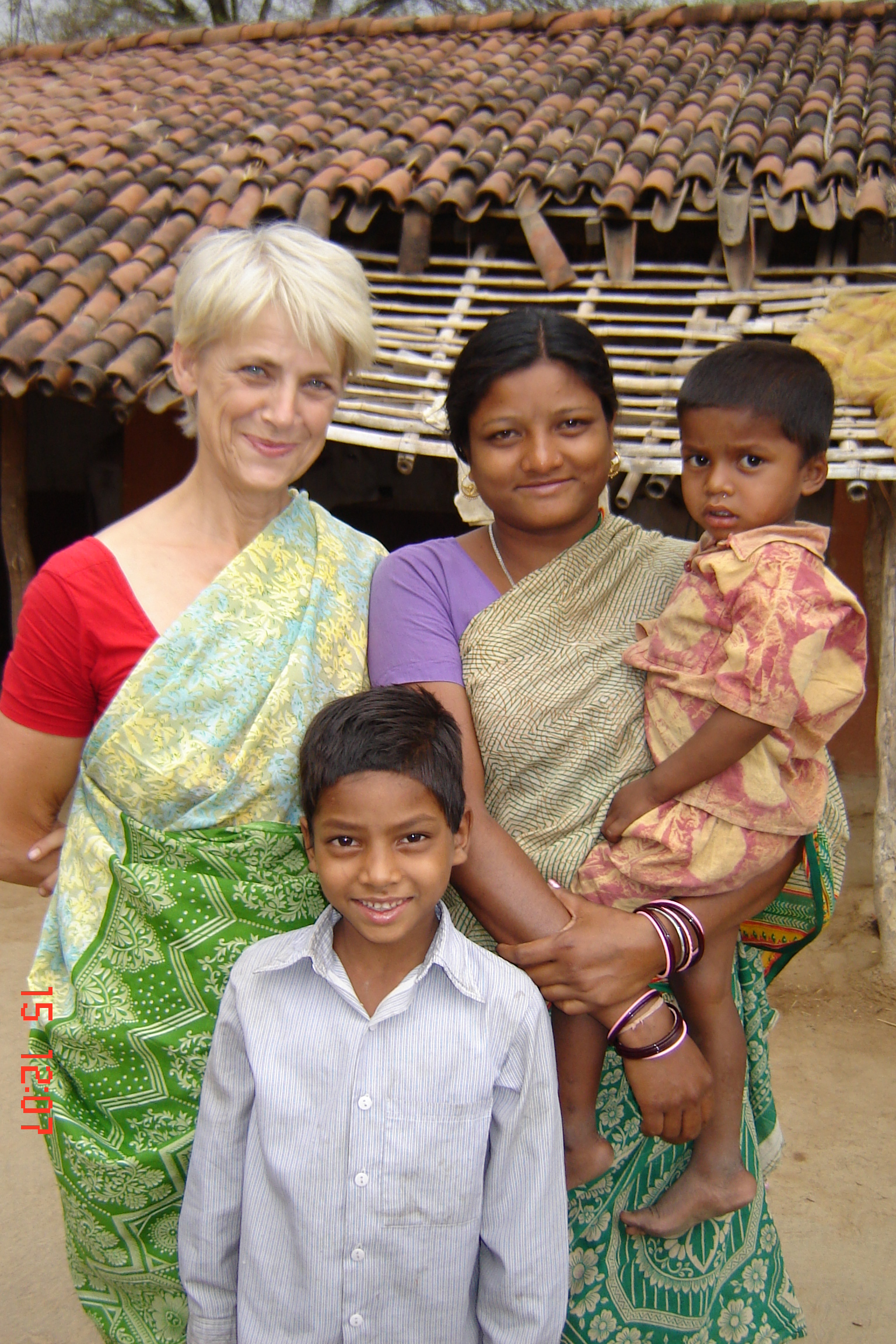
I am deeply grateful to the Ho communities of Kolhan and the wider Chota Nagpur Plateau who welcomed me into their lives and shared their worlds with me over many years of fieldwork. I also thank the many friends and colleagues in India whose support made my long-term research in Jharkhand and Odisha possible. Through this website, I offer glimpses from my fieldwork and everyday research life.
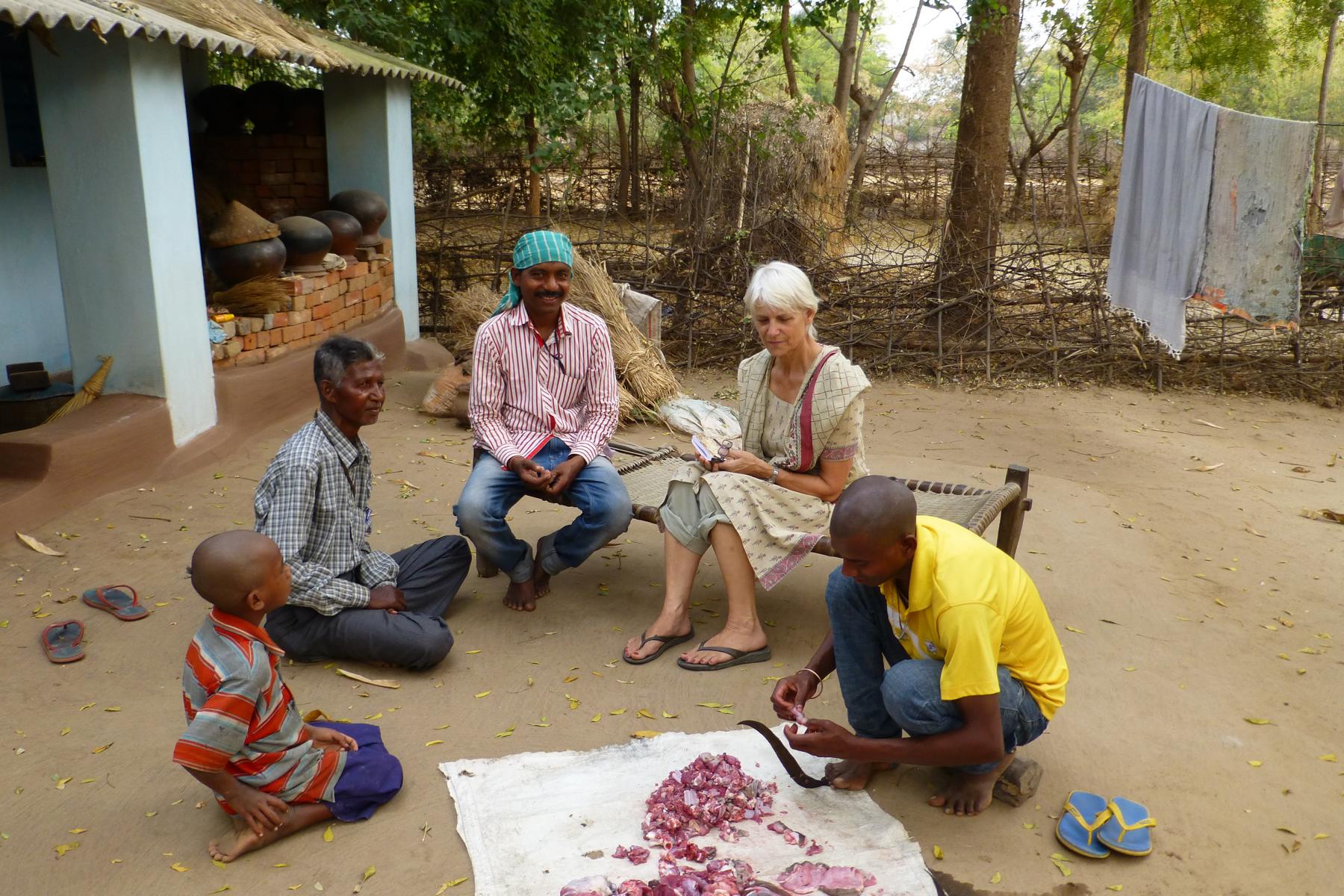
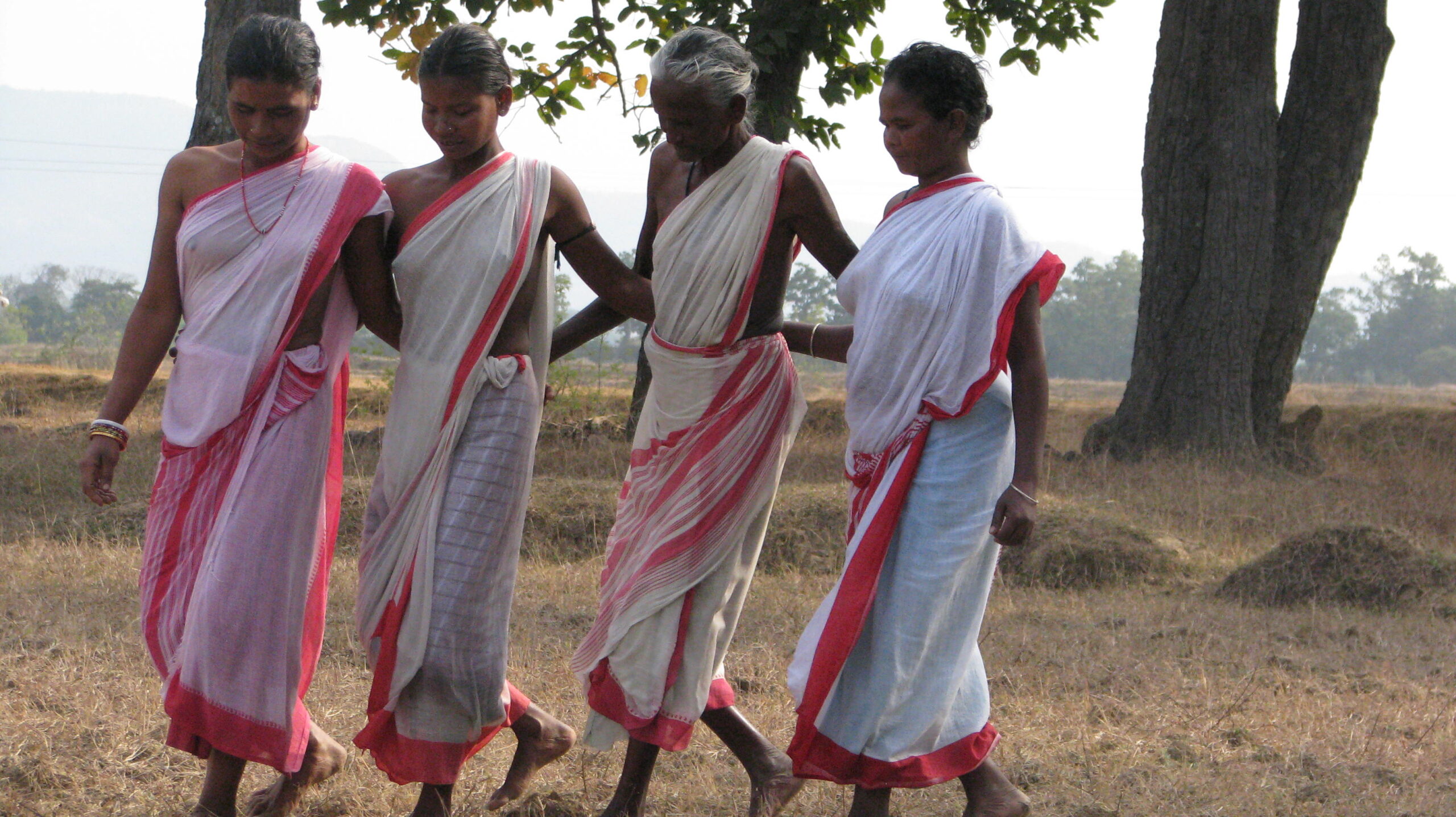
Feel free to reach me out!
Few things to keep in mind:
-
The photos and documents on this website are freely available in low-definition versions.
-
If you require an HD version, please contact me with the file number using the message section.
-
An acknowledgement of Dr Eva Reichel and AdivasiFieldNotes is required for any non-commercial use of photos, including exhibition, academic research and educational purposes.