01 / Research materials
Share your ethnographic materials
Preserve field notebooks, photographs, recordings or correspondence by sharing digital copies, including records held in other archives.
How to share materials ↓Adivasi Fieldnotes welcomes contributions from researchers, scholars and others interested in preserving, studying and making ethnographic materials relating to Adivasi communities in India more accessible.
You can share digital copies of original research materials, submit articles or reflections, or participate in collaborative projects. A brief initial enquiry is always welcome.
What happens to your field notebooks once you have published your research or moved on to other work? Too often, years of valuable ethnographic materials end up gathering dust in boxes and attics.
Why not give these materials a new life? By sharing them, you can contribute to future scholarship while helping younger generations of Adivasi people discover and reconnect with their cultural roots.
Original ethnographic materials are also cultural artifacts in their own right, which can be revisited, questioned and reinterpreted beyond the research that first produced them.
Adivasi Fieldnotes welcomes digital copies of field notebooks, diaries, photographs, recordings and other ethnographic materials, including incomplete or unpublished materials. You retain your originals, and your research can continue to be valuable long after your own work is complete.
Get in touch about your materials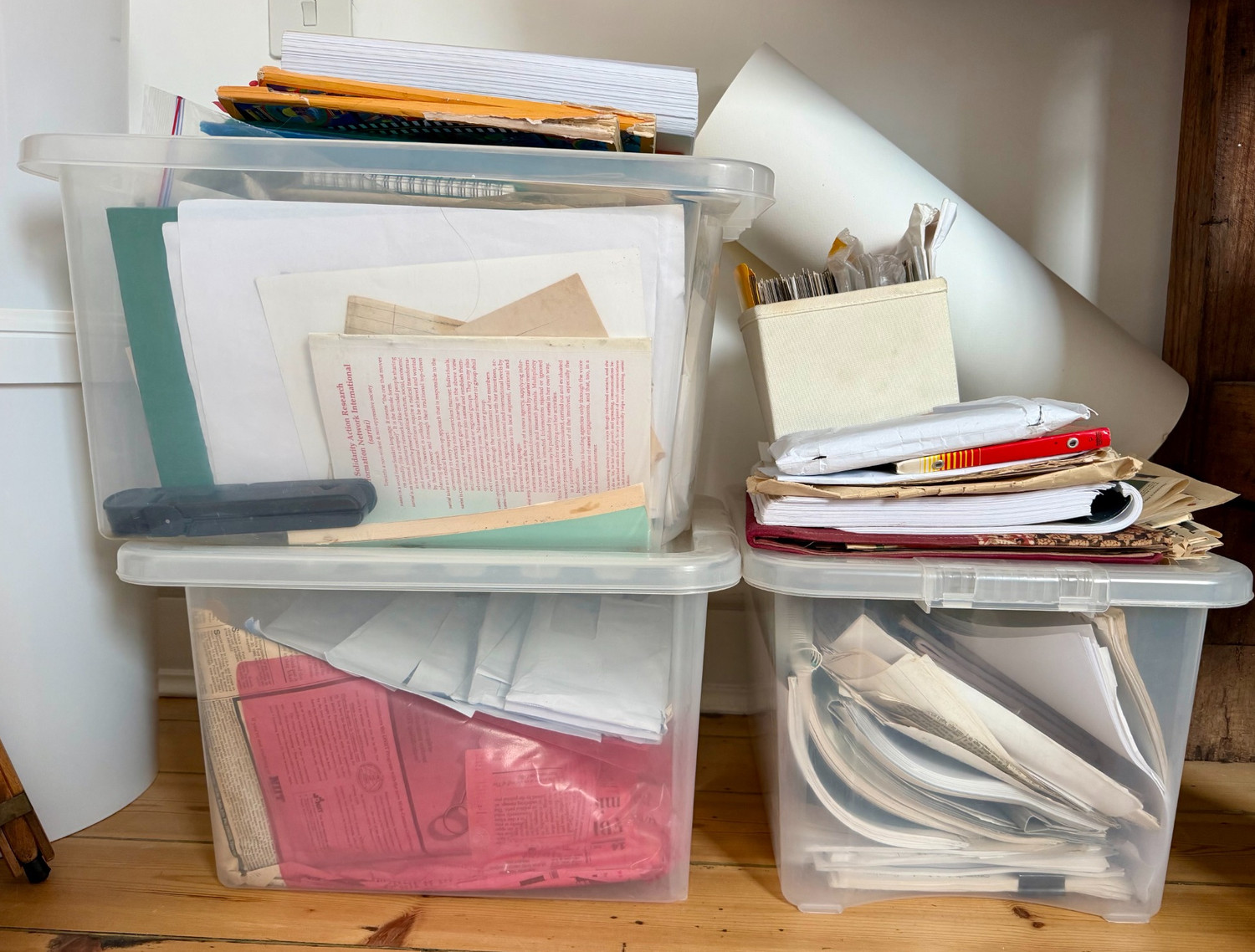
Ethnographic fieldnotes are not simply records of the past. They raise questions about how anthropological knowledge is produced, interpreted and preserved.
Adivasi Fieldnotes aims to stimulate critical conversations about ethnographic research: its methods and underlying assumptions, the relationship between researchers and the communities they study, and the role of archives in making ethnographic materials accessible to new audiences.
We particularly welcome reflections prompted by materials in our archive, new interpretations of historical fieldnotes, and contributions from Adivasi researchers and community members who may question, challenge or enrich earlier ethnographic accounts.
Our aim is not to publish general articles about Adivasi communities, but to create a space for dialogue about ethnography, its practices, its legacy and its future.
Learn more at Perspectives & Dialogue.
Propose a contributionWe welcome projects that help preserve, make accessible or open new avenues of research into ethnographic materials relating to Adivasi communities in India. They need not draw on this archive’s collections or involve a formal collaboration with Adivasi Fieldnotes. The two projects below illustrate different possibilities.
Help translate Dhanur Singh Purty’s seven-volume Ho-language work into English and make this extraordinary account of Ho life and culture accessible to new readers.
We are looking for volunteers who know Ho and English. You can translate just a few pages or take on a chapter.
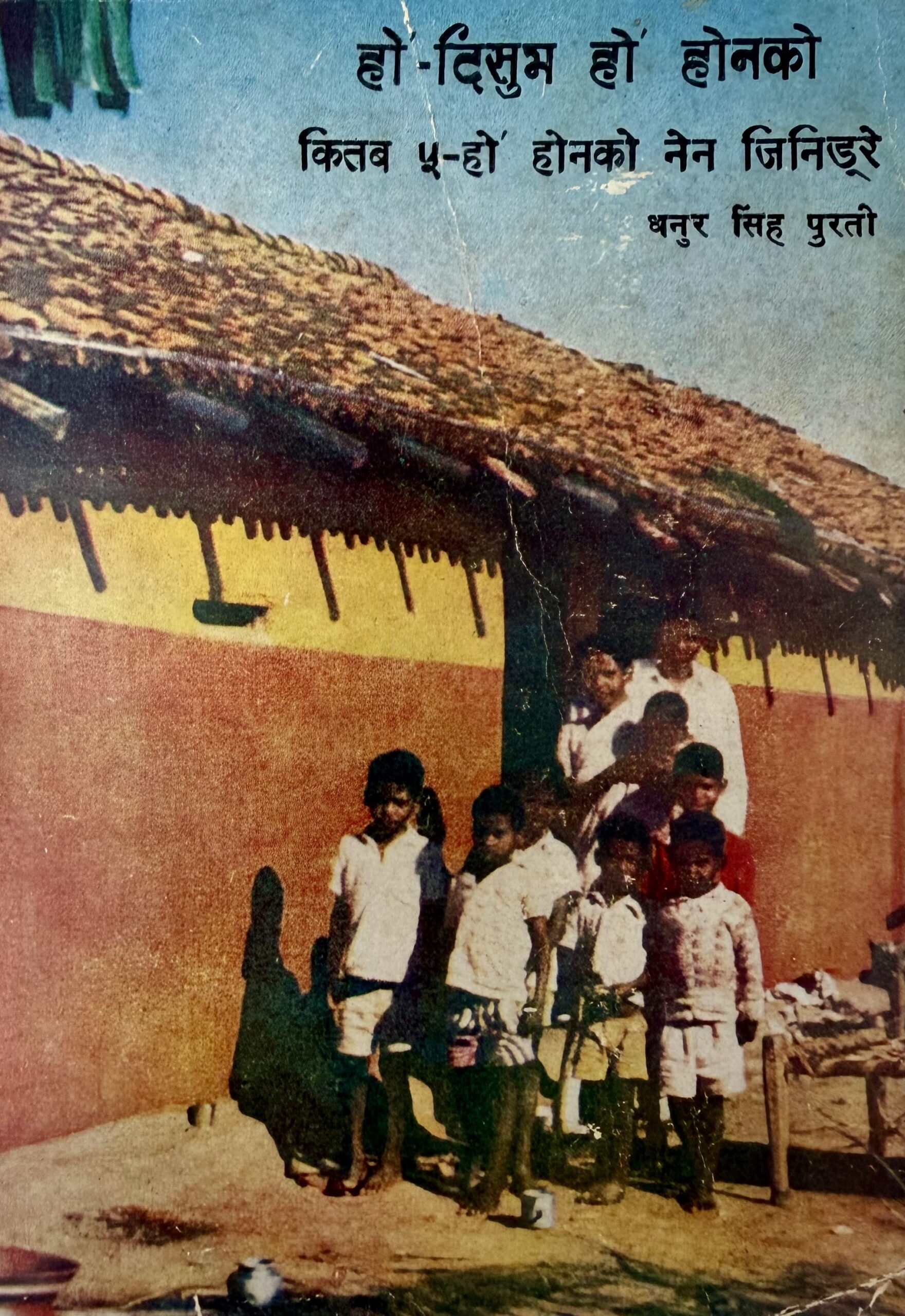
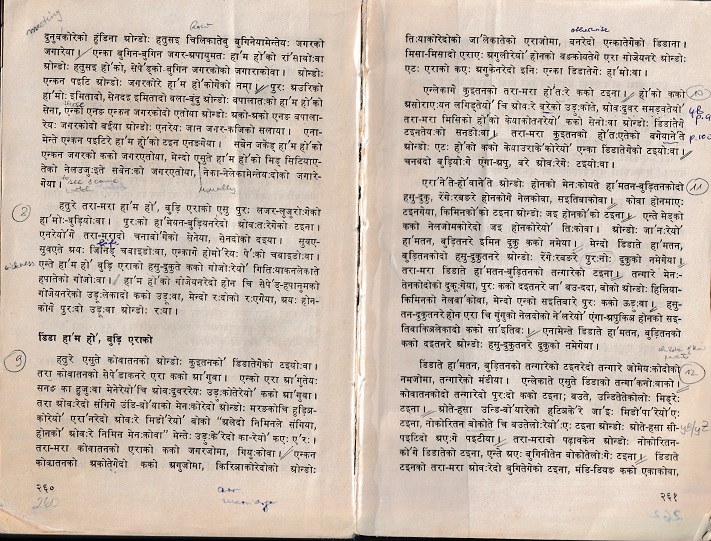
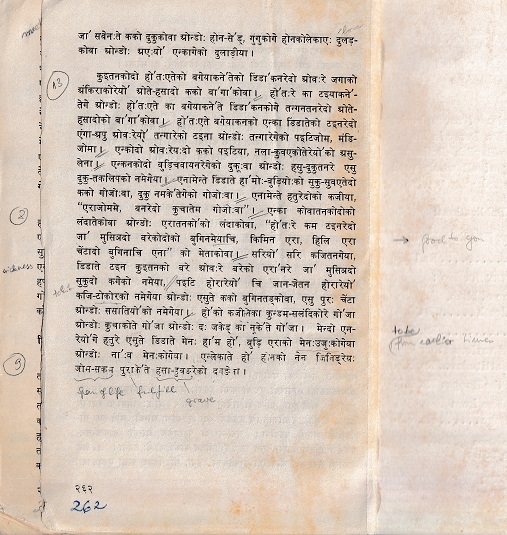
Ho-Disum Ho Honko documents Ho village life in rich detail, including everyday practices, rituals, customs, myths and the world as understood by its author. The books were published in Chaibasa in Devanagari script between 1978 and 1982 and edited by J. Deeney, who described the work as a “goldmine of Ho lore”. They were illustrated with photographs by Michael Yorke.
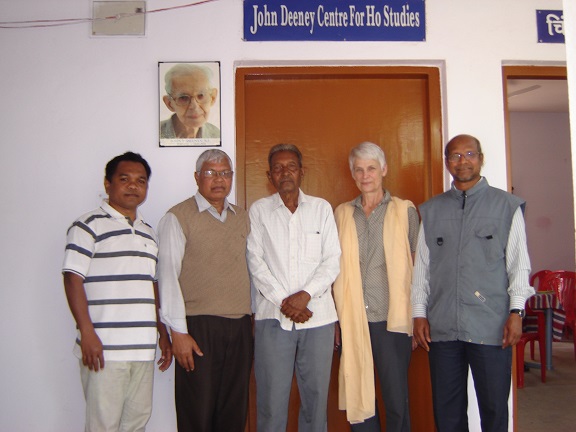
The project began in 2019 through an initiative by Eva Reichel. Earlier volunteers produced partial translations, including chapters 3 and 4 of book 5, concerning ageing among Ho men and women, translated by John B.Mundu, a Jesuit scholar and Ho language teacher. Both the raw and the edited line-by-line versions are available below.
Dhanur Singh Purty was an eminent Ho ethnographer and writer from Jharkhand. His seven-volume Ho-Disum Ho Honko (1978–1982) records Ho life, oral traditions and cultural knowledge from within the community.
There is no need to commit to translating an entire book. Depending on your time, you could:
If you know Ho and English, please get in touch. We can discuss the texts, existing work and a manageable contribution.
Volunteer to translateExplore the original Ho-language pages and photographs associated with the translation project.
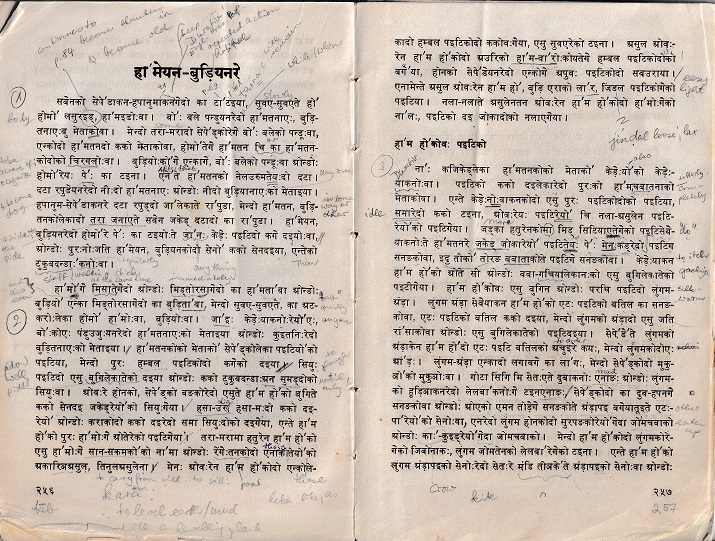
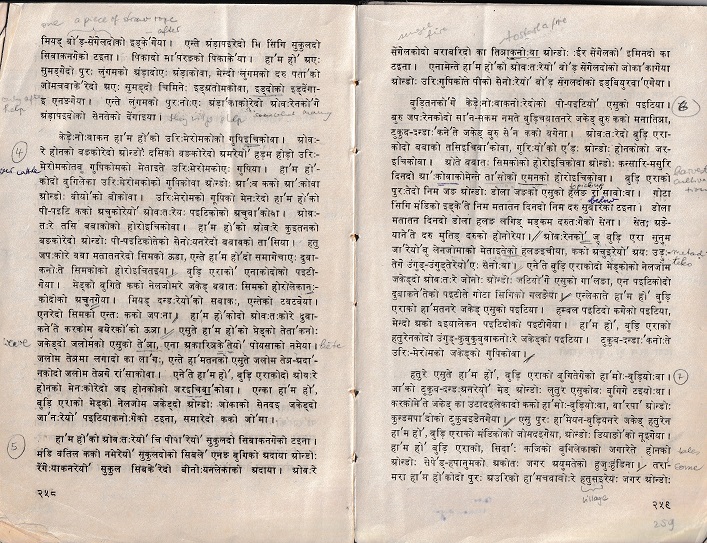
Four original pages from volume 5 of Ho-Disum Ho Honko.
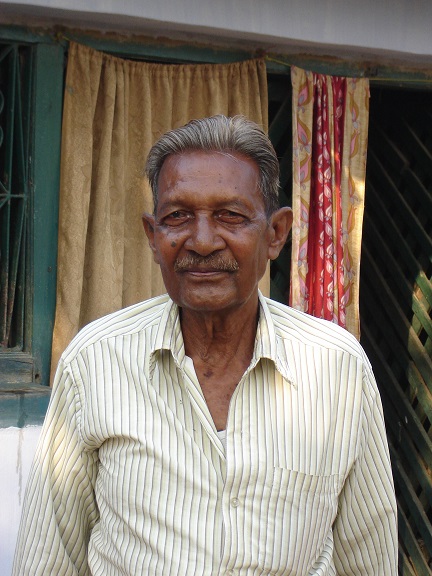
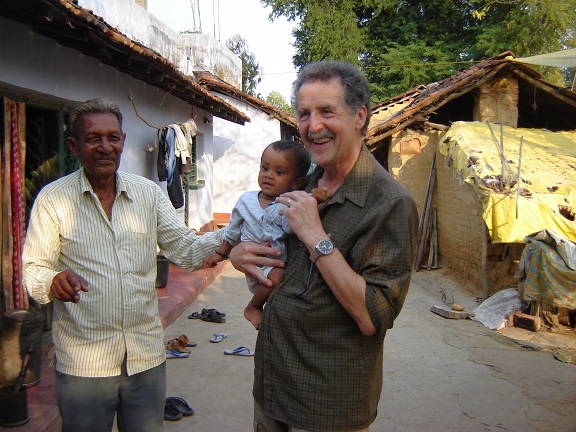
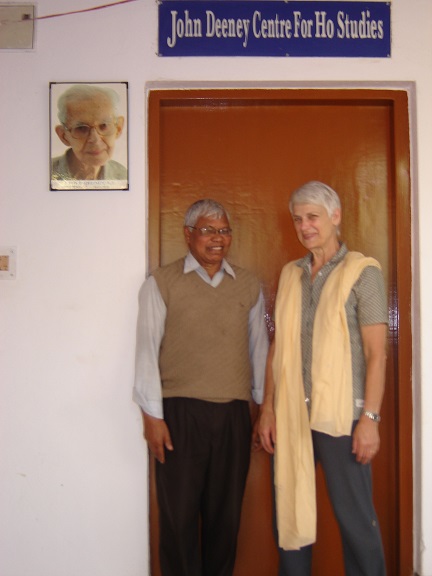
Photographs of Dhanur Singh Purty, John B. Mundu and others associated with the project.
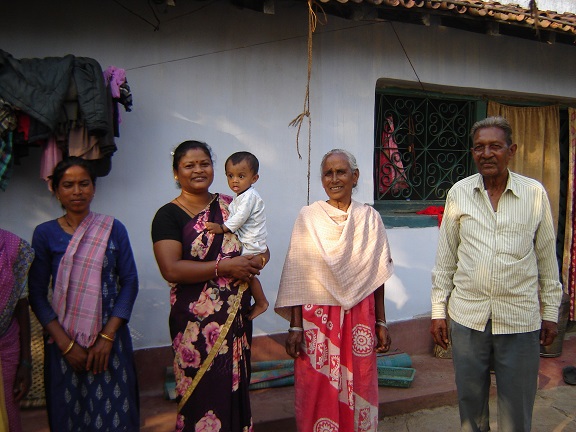
Community-led research using the original household surveys as a basis for new fieldwork.
In 1998–1999, ethnographic research in two villages in West Singhbhum, Jharkhand, included surveys of 64 households, alongside detailed fieldnotes and other research materials.
The original fieldwork records are available in Barbara Verardo’s collection.
Thirty years later, the project aims to resurvey the same households, with the new fieldwork undertaken by members of the communities themselves.
The findings will be reviewed and analyzed collaboratively, comparing the original ethnographic materials with contemporary research to explore changes and continuities in households’ livelihood strategies, kinship relations, and religious and political affiliations.
A partnership with a university may be sought to support the research. The project will produce a new piece of original research, demonstrating how historical ethnographic archives can provide a foundation for contemporary, community-led scholarship.
We welcome expressions of interest from community researchers and potential academic collaborators.
Enquire about Thirty Years LaterHave an idea for a project that could improve access to ethnographic materials relating to Adivasi communities in India? We welcome proposals, whether independent initiatives or possible partnerships.
Suggest a projectWhether you hold original research materials that could be shared as digital copies, have an idea for an article or would like to suggest a project, you are welcome to get in touch. A short description is sufficient for an initial conversation.
Contact Adivasi Fieldnotes